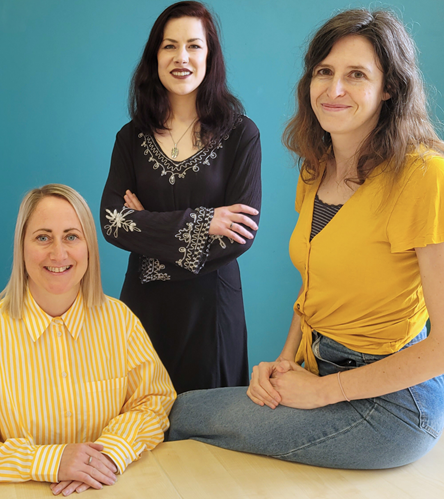
Meet the Team
Meet the Involve North East Team members.
Our expert team have links with healthcare professionals and charity workers across a range of disciplines, covering a wide demographic. We recognise, respect and value their work and we’re hugely grateful for their support.
Leah Lamb
Research and Communications Coordinator
Leah is Involve North East’s research lead, using her extensive experience of research methodologies to coordinate the design and delivery of all our research projects. She is also responsible for keeping up to date with national, regional and local health and social care policy developments.
Leah joined the organisation in 2007, having worked for the Northern Housing Consortium as project lead for the Rural Housing Needs service and producing a number of publications examining housing policy and its implications.
Leah has a Master’s degree in Information and Library Management.
Jen Rogers
Involvement and Engagement Coordinator
Jen joined Involve North East in Autumn 2021. She is a registered Occupational Therapist with several years’ experience working within healthcare and the charity sector. She has worked with a diverse range of people experiencing marginalisation due to health conditions and structural inequalities, empowering them to improve their own health and wellbeing.
Jen has a particular interest in challenging mental health stigma and improving local services.
Her role within the organisation is to build meaningful relationships with local communities and organisations to ensure people’s voices are heard within service development.
Corinna Macfarlane
Involvement and Engagement Officer
Corinna joined Involve North East in August 2023 having worked for over 15 years in health and social care. She is a qualified social worker with a background in both community and clinical settings and has worked collaboratively as part of multidisciplinary teams with police, the third sector and most recently housing.
Throughout her work, Corinna has observed how exclusion and lack of involvement in decision making can compound inequality and existing structural barriers and prejudices faced by marginalised communities, in particular women who have experienced gender-based violence.
These experiences have instilled a commitment to ensuring public involvement is as respectful, sensitive and participatory as possible in order to widen and diversify those voices contributing to service development and delivery.